
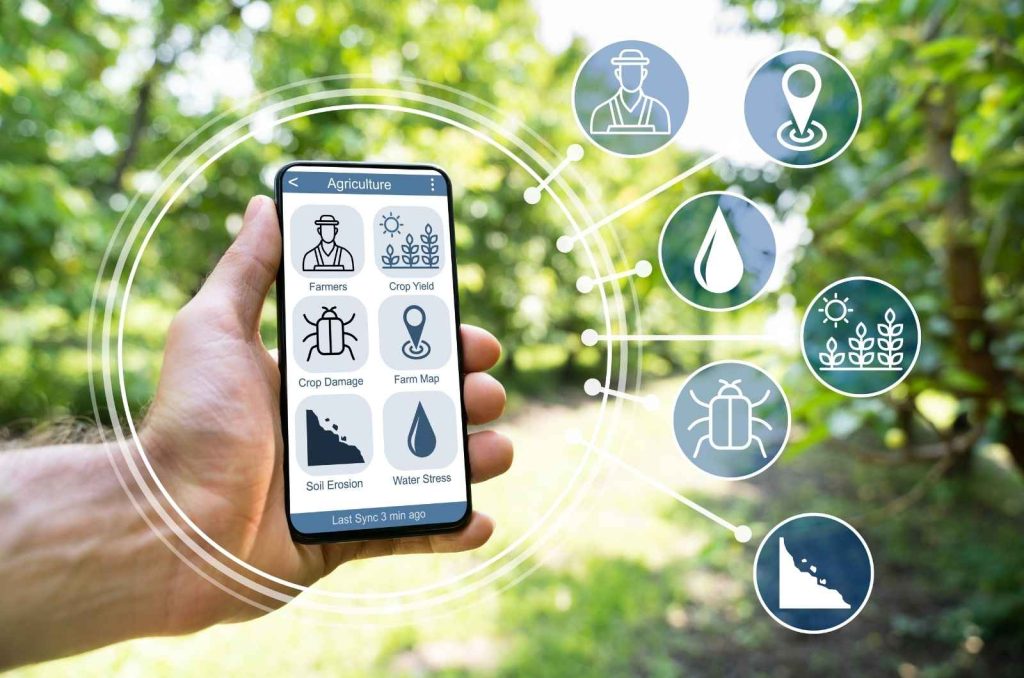
Smart farming is a growing trend, with the potential to improve yields and cut wastage. Smart sensors help farmers to control water, nutrients, and temperature in the soil. Some of these sensors can even be used in urban areas. The digital transformation in agriculture is real and it is affecting all aspects of the process. For example, a Chinese drone maker recently demonstrated its use in rice seeding. Until now, farmers had to wade through paddy fields to plant seeds, a process that took up to 25 minutes.
Smart farming technology can be used to track the health of crops and livestock. It connects information throughout the supply chain so that farmers can monitor their production. This information can be used for many reasons, including ensuring that crops and livestock are safe. For instance, smart farming technology can help farmers ensure that the animals are treated well, or track the conditions of the soil, and ensure the farmers are following the right environmental practices. Smart farming technology can even help farmers track pests and disease outbreaks in real time.
Despite its popularity, smart farming technology is still relatively new. There are many barriers to adoption, including the high cost. However, recent advances have made it easier to track yields and make decisions. Smart Farming technology can even make farming more efficient, with less time and labor costs, allowing farmers to increase profits and conserve resources.
smart farming technology is becoming more sophisticated every day, with sensors and software designed to monitor the condition of a field. Sensors collect data on weather, soil quality, irrigation efficiency, and fertiliser usage. This data helps farmers make informed decisions regarding the use of fertilisers, which can reduce greenhouse gas emissions. Through predictive analysis and probabilities, smart farming technology can help farmers increase crop yields by fine-tuning their farming practices.
As population increases, farmers will need to adapt their farming practices and technology. By 2050, it is estimated that 70% of the world's population will be living in urban areas. Smart farming technologies will help them meet this challenge and continue to produce more food and goods while minimizing their environmental footprint. These innovations can ensure the sustainability of a company well into the future.
Smart farming technology can also help farmers predict weather patterns. This can help them avoid crop losses in an unpredictable environment. For example, if a farmer knows that a storm is coming, they can decide whether or not to harvest their crops early to reduce losses. It is also a useful tool for managing supplies in order to maximize yields. The technology can also help farmers change irrigation canals to combat damp conditions. Smart farming technology is a growing trend in farming.
The report on the Smart Farming Technology market provides comprehensive information about leading manufacturers and their products. The report also examines key trends and growth opportunities. It also includes an analysis of global primary production and the fastest growing countries in the market. It also highlights new product launches, technological innovations, and competitive landscape. The Smart Farming Technology market is expected to grow at a CAGR of 6% through 2028. However, it must be emphasized that a large number of challenges still remain for the Smart Farming Technology market.